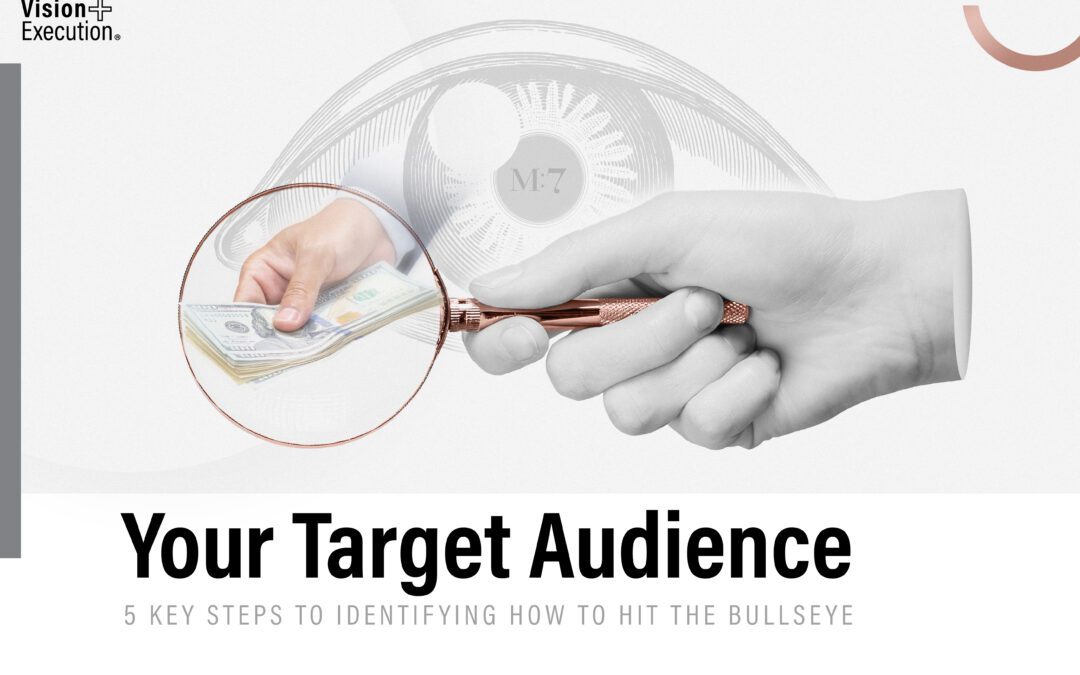
How to Hit the Bullseye When Reaching Your Ideal Customers
One of the biggest reasons brands struggle to gain traction isn’t due to a subpar product or weak messaging — it’s because they’re speaking to the wrong people or not enough of the right people.
When a brand tries to reach everyone, more often than not, they end up resonating with no one. When a brand tries to reach a specific type of person or group but it’s the wrong one, they end up wasting time and resources on poor results.
The most successful businesses don’t just market to the masses, and they don’t market to people who have little need for their product or service. They know exactly who they’re for and tailor their marketing efforts toward them, or what is commonly known as their target audience.
Aligning Your Marketing to Your Audience
If you’ve got a brand, there’s an ideal audience out there for it that you need to hone in on. This is the foundation of marketing itself, because once you have a clear understanding of who your audience is, you can reflect that focus in all your marketing campaigns, showing that you understand their world and have something meaningful to offer.
Your website, your social media, your emails, and all other marketing channels should feel tailor-made specifically for them. When your audience sees themselves in your brand, they’re more likely to trust you, engage with you, and buy from you.
Why Defining Your Ideal Customer Is Essential
Without a clearly defined audience, your marketing efforts become unfocused and inefficient. You spend more, convert less, and dilute your brand in the process. On the other hand, when you know who you’re speaking to, everything becomes easier. Your messaging sharpens, your offers improve, and your marketing becomes more cost-effective.
A clear audience focus leads to stronger engagement, higher conversion rates, and better customer retention. It also helps your team make faster, more strategic decisions because you know exactly who you’re creating for. So who is your brand’s ideal customer? How do you identify and attract them? Start with these five key steps:
-
Study Your Current Customers
The best place to start is with the people who are already buying from you. They’ve proven that your product or service is something they want. Look closely at your customer base to identify patterns and common characteristics. Instead of assuming who your ideal audience is, let your actual data guide you.
Talk to your most loyal or high-value customers. Ask why they chose your brand, what pain points your product helped alleviate, and what they value most about the experience. Often, the insights that matter most don’t come from surface-level demographics, but from the motivations and emotions behind a purchase.
-
Build Out Buyer Personas
Once you’ve gathered insight from your existing customers, begin to shape that into a clear picture of your ideal buyer. A buyer persona is more than a profile; it’s a comprehensive model that represents a specific type of person your brand is meant to serve.
Your personas should include not just who they are, but what they care about, what they’re struggling with, and what kind of outcome they’re looking for. The goal is to understand how they think, what drives their decisions, and what kind of messaging is most likely to resonate.
-
Understand the Competitive Landscape
Analyzing your competitors can help you better understand where your brand fits in the market. Look at who they’re targeting, how they position themselves, and where they might be missing the mark.
This isn’t about copying what others are doing. It’s about identifying opportunities to serve a specific niche more effectively. If there’s a segment of the market that’s underserved — or a problem that’s being overlooked — you may be able to position your brand as the best solution for that particular group.
-
Go Beyond Demographics
It’s easy to stop at age, gender, income, or location, but real audience clarity comes from understanding psychographics — values, beliefs, behaviors, and emotional drivers. Two people with similar backgrounds may respond very differently to your brand based on what they care about or what they fear.
When you understand the internal motivations of your audience, your messaging becomes far more compelling. You’re not just offering a product; you’re offering a transformation, a feeling, or a solution that fits into their personal narrative.
-
Test, Learn, & Adjust
Finding your ideal audience isn’t something you do once — it’s an ongoing process. As your brand evolves, your audience may shift. As your market changes, your messaging needs to adapt. This is why you must always be monitoring your audience, who they ar, and what they need in the current moment.
Use data to inform your assumptions. Run tests on different messages, content formats, and channels to see what actually works. Pay attention to both qualitative and quantitative feedback, and be willing to refine your approach as you learn more.
In a world full of noise, relevance wins. The more specific you get about who you’re built for, the more powerful your marketing becomes. So if your messaging feels vague or your results feel inconsistent, it may be time to stop and ask: Who are we really trying to reach? The clearer your answer, the more effective your brand will be.
Ready to define your ideal audience? Start by reviewing your best customers, asking the right questions, and aligning your strategy around what truly matters to them. If you need help turning those marketing insights into action, we at M:7 Agency offer proven strategies to identify and attract your target audience, so don’t hesitate to connect with us to talk about what you can do to nail your target audience and attract them with engaging and persuasive marketing.